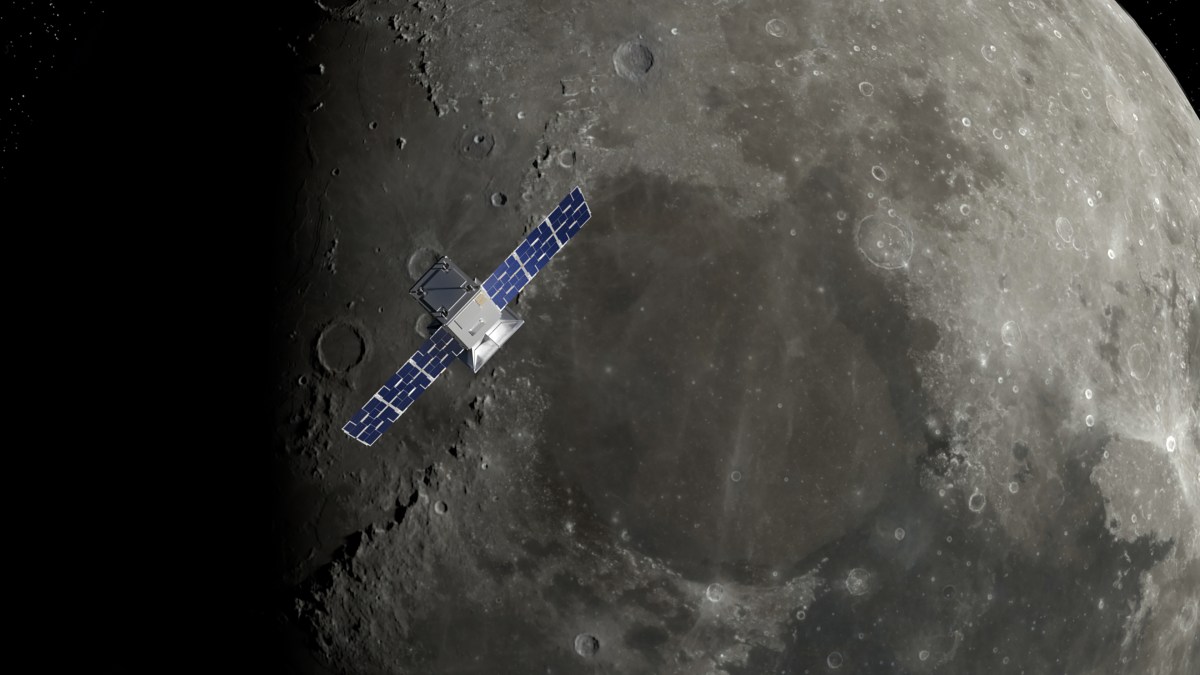
NASA's CAPSTONE spacecraft has concluded its extended mission in lunar orbit, the agency announced. The small spacecraft was sent to the Moon to test and confirm technologies that future missions will depend on.
Among the capabilities CAPSTONE put through its paces, NASA said, were autonomous navigation systems that allow a spacecraft to determine its own position and trajectory without constant ground intervention. The craft also tested communication methods that do not rely on a direct link back to Earth, a requirement that becomes more pressing as missions grow more complex.
NASA said the agency is working toward establishing a lasting human foothold on the Moon. According to NASA, missions ahead will increasingly call for spacecraft that can function independently of Earth-direct connections, making the data gathered by CAPSTONE directly relevant to those plans.
CAPSTONE had already completed an initial mission phase before moving into the extended portion of its work. NASA confirmed that both navigation and communication objectives were validated during the spacecraft's time in lunar orbit, closing out a mission that tested systems intended to support the next generation of lunar operations.